
Call us now :07971258397
 Send Inquiry
 Send Inquiry
Plastic Float Switch
Price 180.0 INR/ Piece
MOQ : 10 Pieces
Plastic Float Switch Specification
- Switch Type
- Float Switch
- Mounting Type
- Top/Side Mounting
- Features
- Corrosion Resistant, Compact Design, Maintenance-Free
- Connectivity Type
- Wire Lead
- Phase
- Single Phase
- IP Rating
- IP68
- Pole Type
- Single pole
- Measuring Range
- Liquid Level Detection
- Protection Level
- IP68
- Usage & Applications
- Water Tanks, Sumps, Aquariums, Industrial Automation
- Output
- SPST Reed Switch (Normally Open or Normally Closed)
- Current
- 0.5A max
- Sensor Type
- Float Switch Sensor
- Display
- No
- Installation Type
- Vertical/Horizontal Mounting
- Product Type
- Plastic Float Switch
- Operating Temperature
- as per industry norms Celsius (oC)
- Working Temperature
- -10C to 85C
- Input
- No External Power Required
- Pressure Type
- Atmospheric
- Diameter
- Approx. 23 mm
- Application
- Water Level Controller
- Supply Voltage
- Max 250V AC
- Accuracy
- High %
- Dimension (L*W*H)
- 85 mm (Length)
- Weight
- 18g Approx.
- Warranty
- Yes
- Color
- White
- Contact Form
- SPST
- Max Switching Voltage
- 250V AC / 110V DC
- Max Contact Resistance
- 100 m
- Cable Length
- Approx. 35 cm
- Insulation Resistance
- >10^7
- Compliance
- ROHS Compliant
- Minimum Float Movement
- ~13 mm
- Material
- Polypropylene (PP) Body
Plastic Float Switch Trade Information
- Minimum Order Quantity
- 10 Pieces
- Payment Terms
- Cash in Advance (CID)
- Supply Ability
- 1000 Pieces Per Month
- Delivery Time
- 1 Days
- Main Domestic Market
- All India
About Plastic Float Switch
A Plastic Float Switch is a type of liquid level sensor that uses a buoyant plastic float to detect the level of a liquid in a tank or container. These are commonly used for pump control, liquid level monitoring, and alarm systems in various industries. It is a simple yet effective device commonly used in industrial, commercial, and residential applications for liquid level control and monitoring. They are widely used due to their simplicity, durability, and suitability for various liquids. Plastic Float Switch is versatile and cost-effective solutions for liquid level sensing in a variety of environments.
Durable, Corrosion-Resistant Construction
Manufactured from polypropylene (PP), this float switch provides excellent resistance to corrosion, making it highly durable under continuous immersion. Its robust design, combined with a white finish, ensures optimal performance even in harsh water conditions, ideal for applications such as water tanks, sumps, and aquariums.
Efficient Level Detection with SPST Output
The sensor integrates an SPST reed switch, supporting either normally open or normally closed configurations. With high accuracy and a minimum float movement of approximately 13 mm, users get reliable liquid level monitoring without external power. This facilitates integration into single-phase water level controller systems.
Easy Installation and Maintenance-Free Operation
Featuring wire lead connectivity and a compact size (23 mm diameter, 85 mm length), the switch allows convenient vertical or horizontal installation. Its compact and maintenance-free design streamlines setup for manufacturers, suppliers, and end-users, especially in industrial automation settings.
FAQ's of Plastic Float Switch:
Q: How do I install the polypropylene float switch for water level detection?
A: The float switch is designed for easy installation in both vertical and horizontal orientations. Simply mount the unit at the desired liquid level inside your tank or sump, secure the wire leads, and connect to your water level controller. It is compatible with top or side mounting options, ensuring flexibility in various applications.Q: What are the benefits of using this float switch in industrial or domestic applications?
A: This float switch offers maintenance-free operation, high accuracy, and corrosion resistance thanks to its polypropylene construction. The IP68 protection rating ensures durability in submerged conditions, while its compact design suits confined spaces. It is ideal for water tanks, sumps, aquariums, and industrial automation, enhancing water management system reliability.Q: Where can this float switch be used most effectively?
A: This float switch is best suited for liquid level control in water tanks, sumps, aquariums, and industrial automation systems. Its IP68 protection and resistance to corrosion make it reliable in both residential and industrial environments where water immersion is frequent.Q: What process does the float switch use to detect liquid levels?
A: The switch employs a float mechanism connected to an SPST reed switch. As the liquid level changes, the float moves approximately 13 mm, activating the reed switch to complete (or break) the circuit. This process allows accurate detection without requiring any external power supply.Q: When should I replace or maintain the float switch?
A: Thanks to its maintenance-free design and robust polypropylene build, regular maintenance is not required. Replacement should only be considered if there is physical damage, malfunction, or visible wear after several years of service in harsh environments.Q: How does the float switch ensure electrical safety and compliance?
A: The product is ROHS compliant and supports a maximum switching voltage of 250V AC / 110V DC, with high insulation resistance (>10^7 ) and IP68 protection. This ensures reliable operation and safety by preventing water ingress and minimizing electrical risks.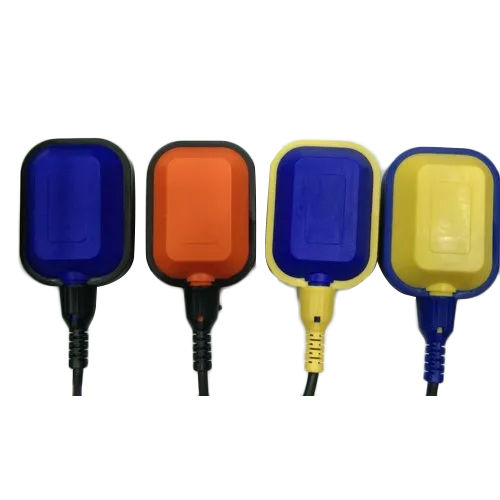
Tell us about your requirement

Price:
Quantity
Select Unit
- 50
- 100
- 200
- 250
- 500
- 1000+
Additional detail
Mobile number
Email

More Products in Water Level Controller Category
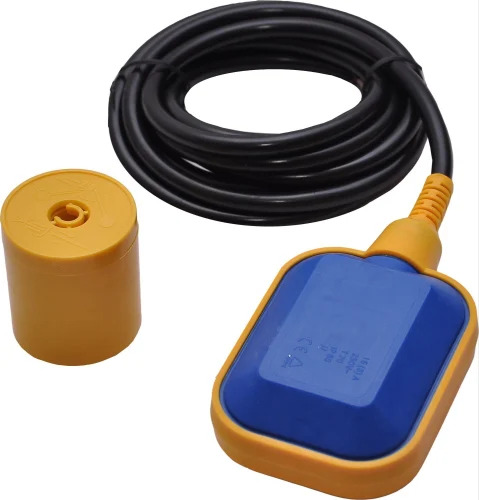
Magnetic Float Switch
Price 180 INR / Piece
Minimum Order Quantity : 10 Pieces
Warranty : 1 Year
Protection Level : IP65
Material : Plastic
Usage & Applications : Industrial
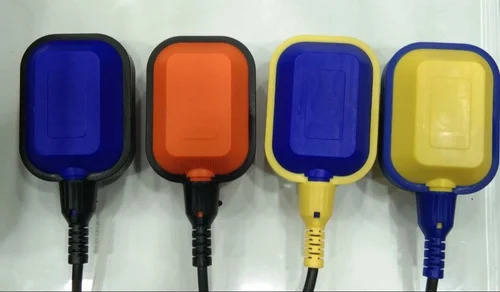
Level Switches
Minimum Order Quantity : 10 Pieces
Warranty : 1 Year
Protection Level : IP65
Material : Metal
Usage & Applications : Industrial

 Send Inquiry
Our Products
- Coarse Bubble Air Diffuser
- Activated Carbon
- Filter Media Sand
- Industrial Agitator
- MBBR Media
- Water Level Controller
- Automatic Filter Press
- Tube Diffuser
- Pressure Gauge
- FRP Vessel
- Screw Pump
- Multiport Valve
- Hydraulic Filter Press
- Tube Settler Media
- STP Plant
- Sewage Treatment Plant
- Water Treatment Plant
- Air Diffuser
- Centrifuge For Sludge Dewatering

Mamura, Sector - 66, Gautam Buddha Nagar,Noida - 201301, Uttar Pradesh, India

Mr. Saurabh Panday
(Manager)
Mobile :07971258397
 Send Inquiry
 Send SMS
Developed and Managed by Infocom Network Private Limited.
